Quick answer
How do I get rid of a junk car in Merrionette Park, Illinois?
Merrionette Park Cash For Junk Cars Inc handles junk car removal in Merrionette Park, IL 60803, with free towing and payment at pickup. Send the form with the year, make, model, title status and where the car sits, and we call back with an offer. The village code decides how long a dead car can stay in view.
The village in brief
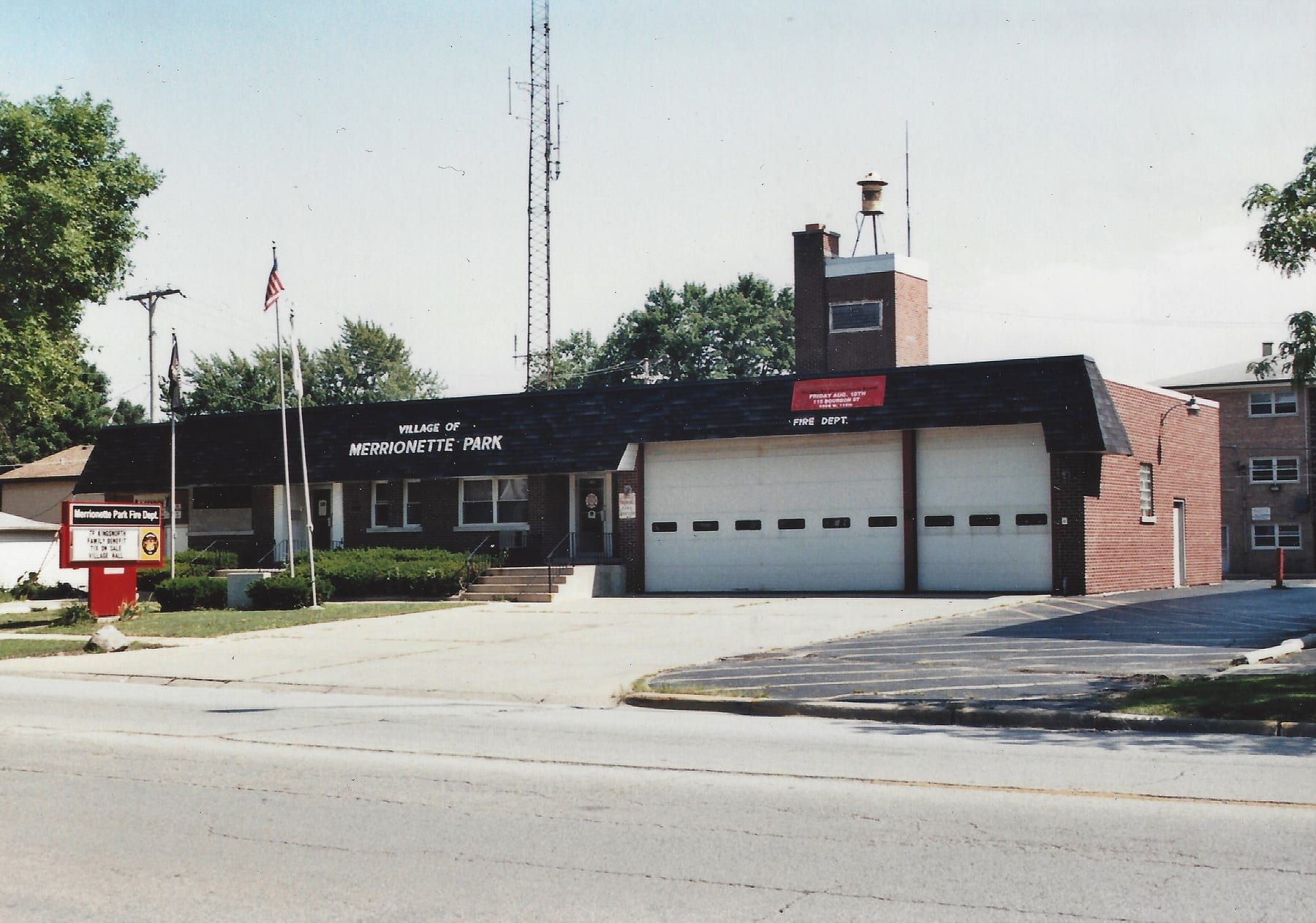
Merrionette Park is a village of 1,969 people (2020 Census) packed into roughly 0.38 square miles in Worth Township, Cook County. The ZIP code is 60803. It is not part of the City of Chicago, even though Chicago’s Mount Greenwood and Morgan Park neighborhoods wrap around it. Alsip and Blue Island touch the village only at a single corner point. The busiest streets are Kedzie Avenue, West 115th Street and West 119th Street, a CSX freight line crosses the village, and there is no passenger rail station inside it. CTA bus route 52A is the transit link.
Merrionette Park Cash For Junk Cars Inc is based here, and this page is our local guide for anyone with a car that no longer runs, no longer passes for safe, or is simply not worth the space it takes. Everything below ties back to the village ordinances, because in a place this small the rules about a dead car matter more than most people expect.
Why a junk car gets noticed fast here
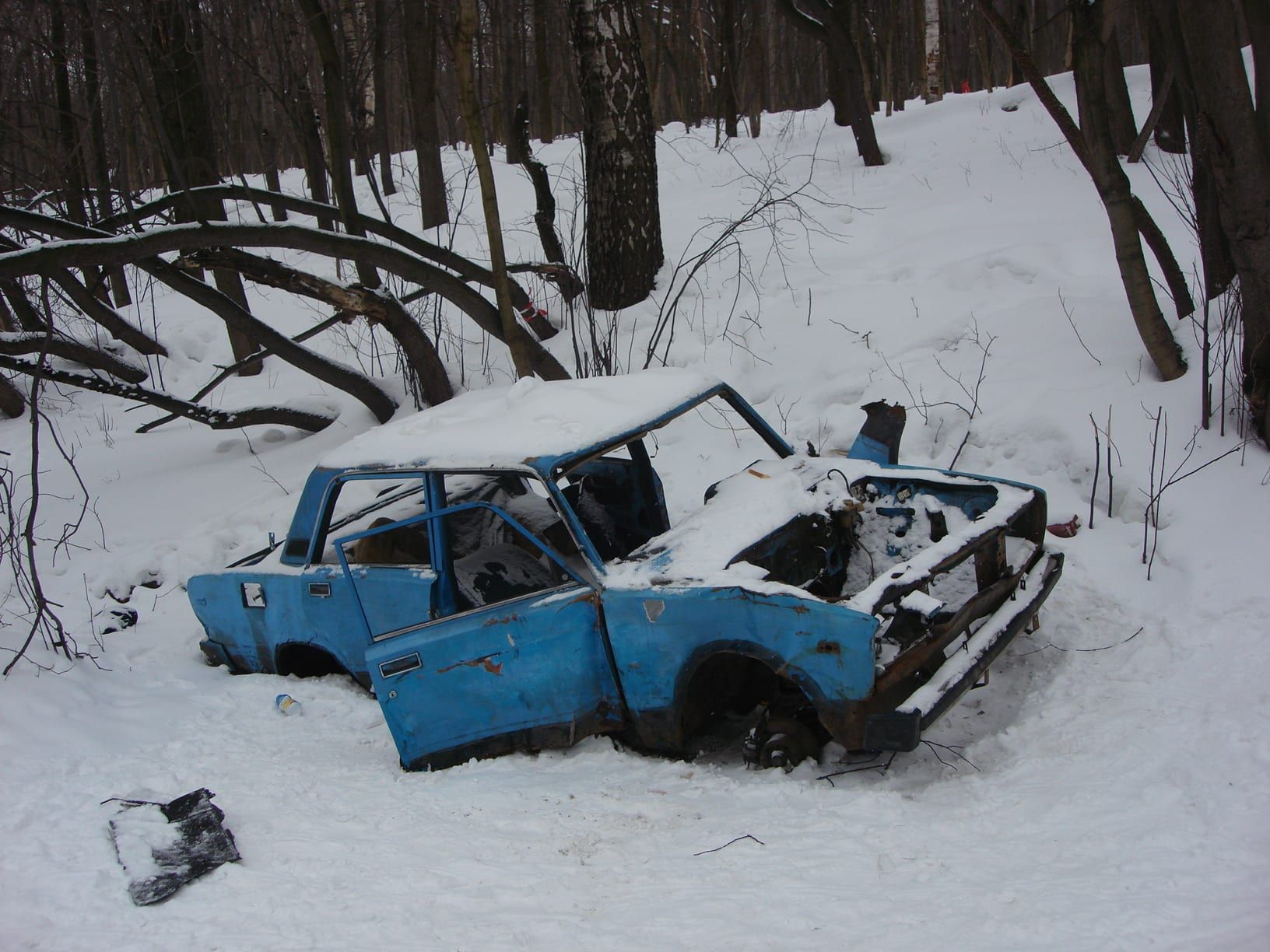
A village this compact has few places to hide a car. Almost every lot is visible from a street, a neighbor’s window or a bus route, and the code treats that visibility as the test. Under section 72.14 of the village code, storing or parking a damaged or junked vehicle in an open lot, or on premises open to public view, is unlawful. A car with a flat tire in the driveway and a car with a smashed fender at the curb are both inside that sentence.
The practical result: a car that sat for a season in a bigger suburb might go unnoticed. Here, it tends to be a conversation with a neighbor or the village. The cheapest time to solve it is before anyone writes anything down.
The village rules in one table
These are the parts of Chapters 70 and 72 that matter for a dead or unwanted car. Read the full text on Municode before relying on a summary, including ours.
| Section | What it says | What it means for your car |
|---|---|---|
| 72.14 | Damaged or junked vehicles may not be stored or parked in any open lot or premises open to public view | Garage it, fix it or sell it |
| 72.16 | No parking on open private land, meaning anything other than a garage, carport, or an asphalt or concrete drive or lot. Fines run per day | A car on grass or gravel is a separate problem |
| 72.12 | A vehicle parked in violation of the chapter is a nuisance and may be towed to the village pound | A violation can end in a tow you did not choose |
| 72.11 | No parking on a residential street when 2 or more inches of snow is on it | A car that will not start can become a winter violation |
| 72.06(B) | A non-motorized vehicle on a street or parkway needs a village permit, 48 hours at most | Trailers cannot be parked at the curb as storage |
| 72.05 | Second-division vehicles over 5,000 lb may not park on streets beyond loading time | Heavy trucks get a limited curb window |
| 70.10 | A village motor vehicle license (the village sticker) is required for residents’ vehicles used on village streets | Keep the sticker question straight when you sell |
Each of these has its own page here. The junked vehicle in public view page covers 72.14, 72.16 and 72.12 together. The village sticker page covers 70.10 and 70.12, and the snow page covers 72.11.
Pickup on each kind of street and home
Housing here is mixed. The Census Bureau’s 2020 to 2024 American Community Survey estimates about 59 percent of homes are single-family detached, about 24 percent are mobile homes and about 18 percent sit in buildings of five or more units, with roughly 73 percent owner-occupied. Those are small-sample estimates for a small village, so treat them as a rough picture.
That mix changes how a tow works:
- A house with a driveway or garage is the easy case. Tell us which one the car is in and whether anything blocks it.
- A manufactured-home community has narrow lanes and its own management. Ask the office what is allowed before we schedule.
- An apartment or condo lot may have assigned spaces and a property manager who must approve the tow.
- A car on the street needs a legal pull-out space and enough room for a tow truck to set up.
The full breakdown is on the pickup by home type page. Our general explanation of the process is on the how it works page.
Neighbors a few minutes away
Because the village is so small, many callers are not in it at all. Mount Greenwood and Morgan Park are Chicago neighborhoods right on the border, and the rules for them are different, which we explain on the is Merrionette Park in Chicago page. If you live nearby, these pages describe the pickup for each place:
- Mount Greenwood to the north and northwest
- Morgan Park to the east
- Beverly a little farther northeast
- Alsip and Blue Island, the suburbs at the corner
- Evergreen Park and Oak Lawn to the north and west
The full list lives on the service area hub.
Five situations we hear about
- You received a notice or worry about a car in view. Start with junked vehicle in public view.
- Your village sticker is due and the car does not run. See the village sticker and junk car page.
- It is winter and the car will not start at the curb. See snow and dead cars.
- You live in a mobile home, apartment or condo and are not sure how a tow works. See pickup by home type.
- You are not sure which village or city rules apply on your block. See the Chicago comparison.
Fix it or junk it
Before booking anything, decide whether the car deserves another repair. A battery or a starter is a cheap fix on a car that is otherwise sound. A failed transmission on a car with rust and 200,000 miles is a different decision. Our fix or junk guide gives a way to compare repair cost against what the car is worth, and the how to junk a car in Illinois guide walks the steps from paperwork to pickup.
If you are weighing the village rules against a car you cannot move, the abandoned cars guide explains how Illinois law, Chicago’s rules and village ordinances line up. A car that does not run is exactly what we take on our cars that don’t run page, and the broader junk car removal page covers the whole process.
What to do next
Send the year, make, model, title status and where the car sits on the offer form. We call back with an offer, tow the car for free and pay at pickup. Same-day pickup is often available, though it depends on the day and on how easy the car is to reach. If papers are missing, list what you have and we sort out which ones Illinois accepts on the call.
Sellers also ask
Is Merrionette Park part of Chicago?
What township is Merrionette Park in?
Can I keep a junk car in my yard in Merrionette Park?
Do I pay for towing a junk car out of Merrionette Park?
Sources we checked
Merrionette Park situations
Neighbors minutes away
Guides that apply here
- Abandoned Cars in Chicago and the Suburbs: What Counts and What HappensHow Chicago and Illinois define an abandoned car, how reports work, and how to clear a dead car before it is tagged.
- How to Junk a Car in Illinois, Step by StepSeven steps from papers to pickup, with the Illinois rules behind each one.
- Is My Car Worth Fixing, or Is It Time to Junk It?A practical way to decide between repair and scrap: the 50 percent rule, cost per month and the warning signs.