Quick answer
Why does the catalytic converter matter when I junk a car in Illinois?
The catalytic converter holds precious metals, so it is one of the most valuable parts on a scrap car. A car without one is priced lower. A 2025 Illinois law also restricts who can sell a detached converter, so selling the whole car is the practical route.
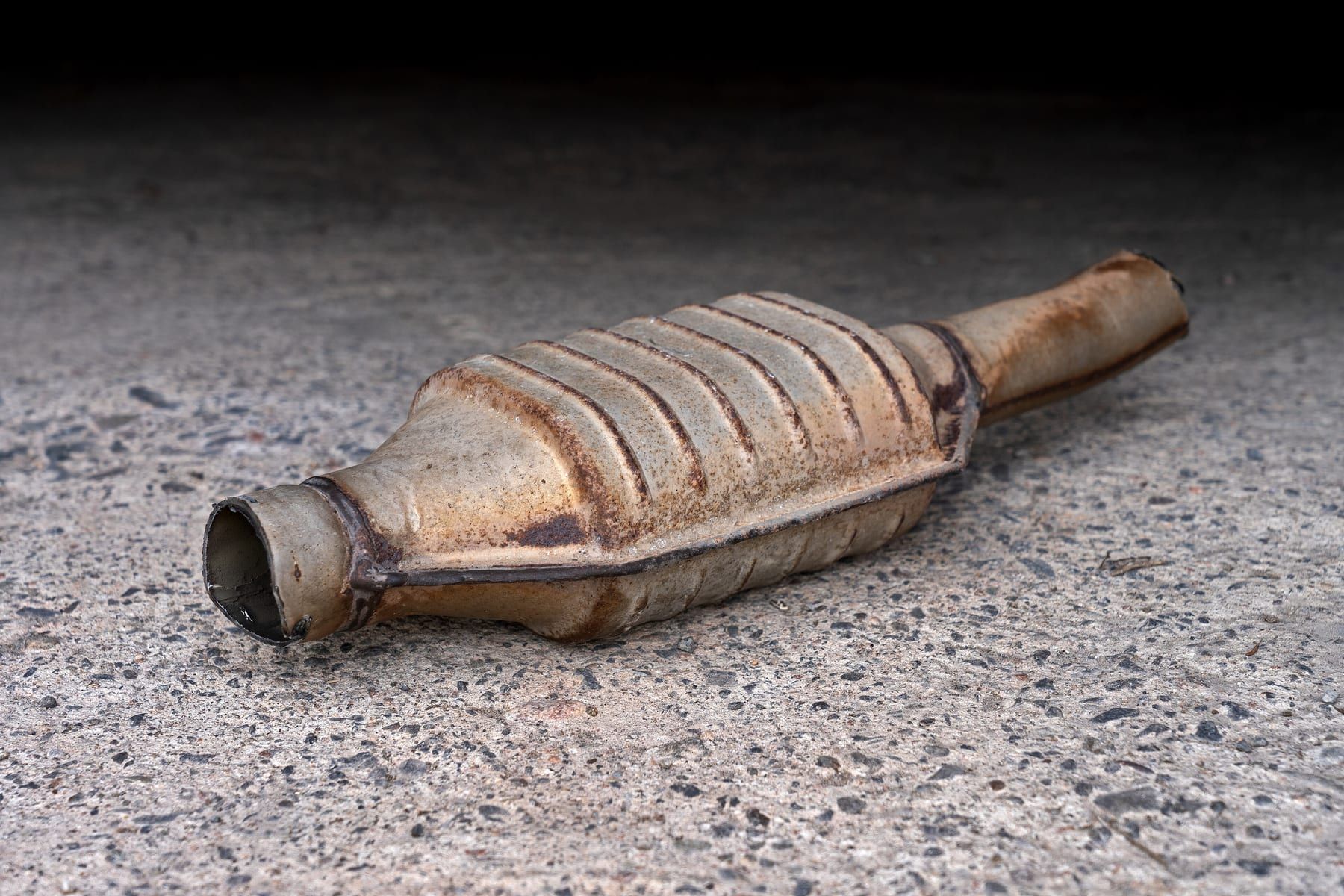
Ask a scrapper which part of a dead car matters most and the answer is under the floor. The catalytic converter is a canister in the exhaust lined with precious metals that clean up engine emissions. Those metals are why converters are stolen, why Illinois rewrote its rules about them, and why a complete car is worth more than a stripped one. Merrionette Park Cash For Junk Cars Inc buys complete and incomplete cars, and the converter is one of the first things we ask about.
Why the converter moves the offer
Scrap yards pay for weight in steel, but the converter is valued differently, because of what is inside it. Its value depends on the vehicle it came from, since different cars use different amounts and types of metal. That is one reason a mid-size SUV and a small hatchback of similar weight can get different offers. We do not quote dollar figures here, because markets move and we do not want to mislead you. What matters is simple:
- Present and original helps the offer.
- Missing, cut or swapped lowers it.
- Aftermarket replacement is valued differently from the original.
The same logic runs through junk car value, where weight, completeness and tow access are listed alongside the converter.
The 2025 Illinois law in plain words
Public Act 103-0677 took effect on January 1, 2025, and it changed the Vehicle Code’s definitions and sale rules around converters. As reported by the Secretary of State’s announcement coverage and summarized by RR Cats, the main points are:
- Only authorized automotive parts recyclers or scrap processors may sell a detached catalytic converter.
- A buyer in a converter transaction must record the vehicle identification number of the vehicle it came from and any numbers or markings on the converter.
- The seller’s ownership must be documented, for example by a copy of the title or an invoice.
- Purchase records must be kept for three years and be available for inspection by law enforcement.
You can read the act itself at the General Assembly site. The law was written with thieves in mind, but it affects honest owners too: a loose converter with no paperwork is hard to sell anywhere.
What that means for you
If your car still has its converter, leave it on. Sell the whole car, and the converter goes with it. If you have a spare converter from a repair, a repair shop or an authorized recycler is the place to ask, not a classified ad.
Do not cut or unbolt a converter yourself to “get more.” You risk exhaust damage, burns, and a pile of parts that a buyer cannot legally take without proof.
Theft: what to do if it happened to you
A stolen converter is a crime scene as much as a repair.
- Do not start the car for long. It will be loud, and running it that way can set off other trouble.
- File a police report. Insurance and any later claim will ask for one. Each police department handles theft reports its own way, so ask how yours does.
- Call your insurer. Comprehensive coverage often covers theft of parts, subject to your deductible.
- Photograph the underside. Fresh saw marks help.
- Decide: repair or scrap. A new converter and labor can be a large bill on an older car. See fix or junk for a way to compare.
If the repair does not make sense, we still buy it. Tell us about the theft on the offer form, and tell us about the title status too. A cars-that-don’t-run page explains what we look at on a car that will not move.
How converters fit into emissions problems
A converter that has failed, not been stolen, can set a check engine light and cause an emissions test failure. Common causes include a long-running engine misfire, oil or coolant burning in the exhaust, and plain age. A shop can tell you whether the converter itself is bad or whether another fault ruined it. On an older car, a failed converter plus other worn parts is often the tipping point toward scrap. Ask the shop for the diagnosis in writing so you can compare it to an offer.
Protecting a car you plan to keep
- Park in a garage or a well-lit lot when you can.
- Back the car against a wall or a curb so the exhaust is harder to reach.
- Ask a shop about a clamp or shield for the converter.
- Etching the VIN onto the converter makes it easier to trace.
- Report anyone repeatedly lurking under cars on your block.
What we do and do not do
We are a buyer that tows, not a yard that sells converters or parts to the public. Our job is to buy your car and remove it for free, with payment at pickup. We ask about the converter because it changes the offer, not because we plan to pull it in your driveway.
If you are weighing the sale against an emissions problem rather than a theft, read Illinois emissions test failed, because converter failures often show up there first.
Next step
Send the year, make, model, title status, location and whether the converter is on the car through the offer form. We call back with an offer. The pillar guide covers the rest of the paperwork.
Sellers also ask
Can I sell just the catalytic converter in Illinois?
Will you buy a car with the converter stolen?
Should I remove the converter before selling?
How do I tell if my converter is gone?
Sources we checked
Selling from inside the village? Our Merrionette Park junk car guide covers the village sticker, the junked-vehicle rule and snow parking, with the code sections.
Keep reading